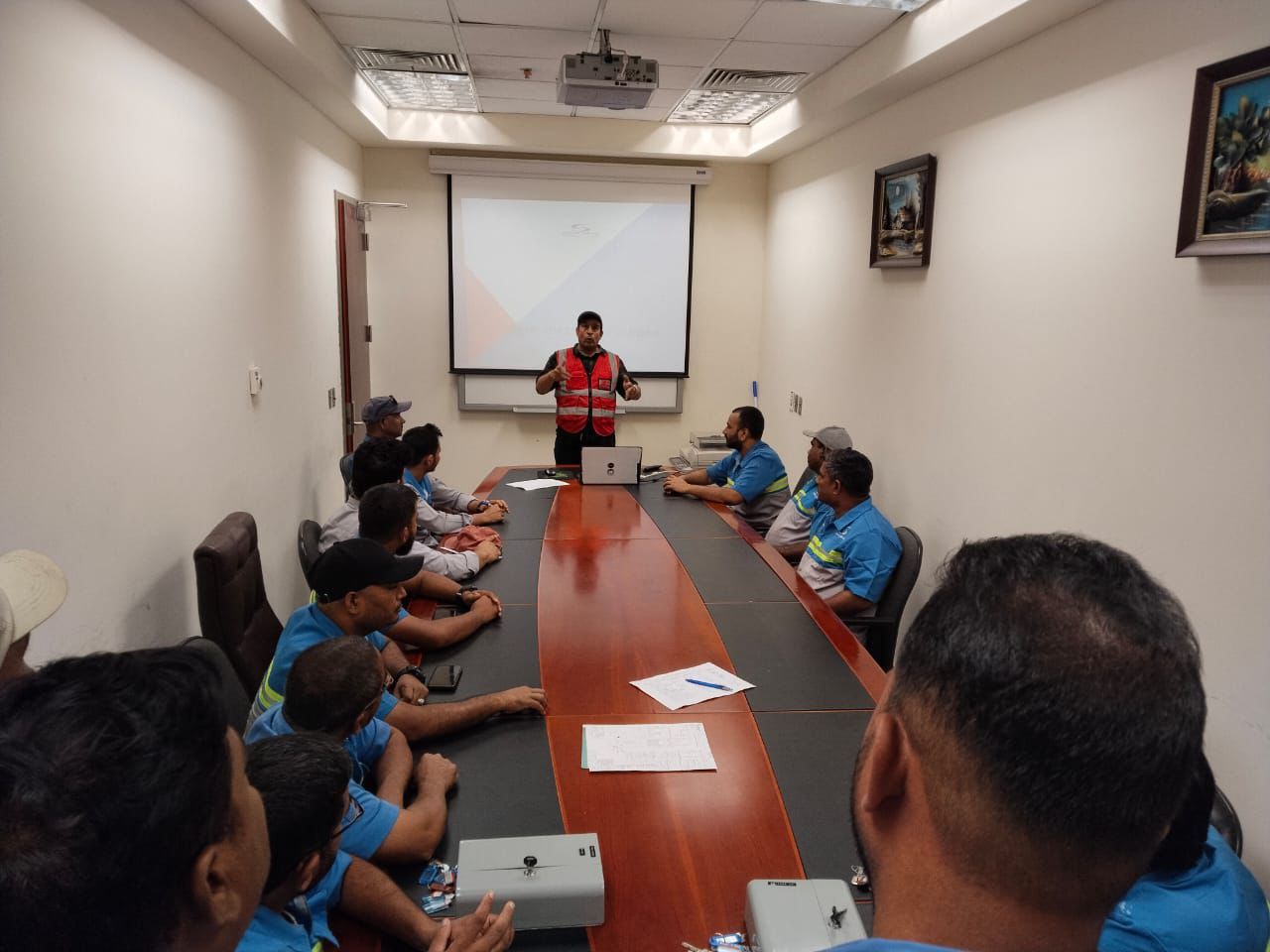
A few years ago, I was shadowing a friend who’d just started work on a large construction site. Day one, fresh boots, nervous energy, coffee in hand. Before he even saw the actual site, he spent half a day in what they called General Safety Induction Training. At the time, he joked about it being “death by PowerPoint.”
A few months later, an incident occurred on that same site. Nothing catastrophic — thankfully — but serious enough to shut operations down for a day. When investigators reviewed what happened, one thing stood out: the people who responded correctly, calmly, and fast were the ones who remembered their induction training.
That stuck with me. And honestly, it changed how I look at workplace safety altogether.
What General Safety Induction Training Really Is (Beyond the Formal Definition)
Most people hear General Safety Induction Training and immediately picture rules. Restrictions. A long list of “don’ts.”
But when you strip away the jargon, it’s something much simpler — and much more human.
It’s the moment where a workplace says, “Before you start, let’s make sure you get home safely.”
This type of training introduces workers, contractors, and visitors to the basic safety expectations of a site or organization. It covers things like:
- Common hazards you might encounter
- Emergency procedures (and yes, where the exits actually are)
- Site-specific rules that don’t exist anywhere else
- Who to talk to if something feels off
And here’s the thing you might not know: it’s not just for construction or heavy industry. Offices, warehouses, hospitals, manufacturing plants — they all rely on some form of induction training, even if it looks different on the surface.
At its core, it’s about awareness. Not fear. Not control. Awareness.
Why Skipping or Rushing It Is a Quietly Expensive Mistake
I’ve spoken to business owners who treat safety induction like an annoying speed bump. Something to “get through quickly” so productivity can start.
That mindset costs more than they realize.
When workers don’t understand site risks, accidents happen more easily. When they don’t know reporting procedures, small issues become big ones. When they’re unsure who’s responsible for safety decisions, nobody takes responsibility at all.
And beyond the human cost — which should always come first — there’s the financial side. Downtime. Insurance claims. Legal trouble. Reputation damage. Staff turnover. It adds up fast.
What surprised me, though, is how often accidents aren’t caused by recklessness. They’re caused by assumptions. Someone thought, “I guess this is how it works here.” Proper induction removes guesswork.

The Psychological Side of Safety Training (That No One Talks About)
This part doesn’t show up on training slides, but it matters more than most people admit.
A well-delivered safety induction sends a message: You matter here.
When new employees feel that their wellbeing is taken seriously from day one, it builds trust. They’re more likely to speak up. More likely to follow procedures. More likely to look out for others.
I once interviewed a site manager who said something that stuck with me:
“People don’t break safety rules because they want to get hurt. They break them because they don’t feel connected.”
Good induction training creates connection. It turns safety from a rulebook into a shared responsibility.
When General Safety Induction Training Is Done Right
Let’s talk about what good looks like — because not all training is created equal.
The best programs I’ve seen have a few things in common:
They’re clear, not overwhelming.
No one remembers 80 rules delivered in 30 minutes. The focus is on what actually matters day-to-day.
They’re practical.
Real examples. Real scenarios. Not just theory. People remember stories, not bullet points.
They invite questions.
If no one asks questions, that’s usually a red flag. A good trainer encourages curiosity, even challenges.
They’re updated regularly.
Workplaces change. Equipment changes. Risks change. Training should too.
And importantly, they don’t talk at people — they talk with them.
That’s why many organizations now treat General Safety Induction Training as a living process, not a one-time event. It’s reinforced through toolbox talks, refreshers, and ongoing conversations.
A Natural Fit for Compliance — Without Feeling Like Compliance
Let’s not pretend compliance isn’t part of this. It is. Laws, regulations, audits — they all exist for a reason.
But when safety induction is framed purely as a legal requirement, it loses its impact. People tune out. They do the bare minimum.
The smarter approach — and the one high-performing companies are leaning into — is using induction training as a foundation. A starting point for a safety culture, not the finish line.
Compliance becomes a byproduct of doing things right, not the sole motivation.

Why Even Experienced Workers Still Need It
This one always sparks debate.
“I’ve been doing this for 20 years.”
“I know how to stay safe.”
“I’ve worked on dozens of sites.”
All valid. And still — induction matters.
Every workplace has its own quirks. Its own layout. Its own rules. Its own risks. Experience doesn’t automatically transfer context.
Even seasoned professionals benefit from a proper General Safety Induction Training because it aligns everyone on the same page. Same expectations. Same emergency responses. Same language around safety.
It’s not about questioning competence. It’s about consistency.
The Bigger Picture: Safety as a Shared Story
When you zoom out, safety training isn’t really about helmets, signs, or procedures.
It’s about people agreeing — quietly, collectively — to look out for one another.
I’ve seen workplaces where safety culture feels tense and authoritarian. And I’ve seen others where it feels… human. Supportive. Calm. Almost invisible because it’s so ingrained.
The difference almost always starts with how people are welcomed on day one.
A Final Thought (One I Keep Coming Back To)
If you ask someone years later about their first day at a job, they probably won’t remember their login password or where they parked.
But they’ll remember how they were treated.
They’ll remember whether they felt rushed or respected. Whether questions were welcomed or brushed aside. Whether safety felt like a burden — or a promise.
That’s why General Safety Induction Training matters more than it gets credit for. It sets the tone. It tells people, “You belong here, and your safety isn’t negotiable.”