I didn’t grow up thinking much about electricity. It was just… there. Lights turned on. Phones charged. Coffee machines hummed to life every morning. Like most people, I only noticed electricity when it wasn’t working. Or worse—when it became dangerous.
A few years ago, I was chatting with a facilities manager over coffee. Casual conversation, nothing dramatic. Then he casually mentioned losing a colleague to an electrical accident years back. No warning signs. No dramatic sparks. Just one small mistake layered on top of missing training. I remember going quiet. Honestly, I was surprised by how fragile the margin for error really was.
That conversation stuck with me. And it’s the reason I want to talk about something that doesn’t get enough honest, human discussion: electrical safety—and why proper education around it matters far more than most people realize.
The Invisible Risk We All Work Around
Electricity is strange that way. You can’t see it. You can’t smell it. Half the time, you don’t even hear it. Yet it’s running behind walls, under floors, and through equipment we rely on every single day.
Whether you’re on a construction site, managing an office building, working in manufacturing, or even handling maintenance tasks at a small business—electricity is part of your environment. And when it’s misunderstood or underestimated, it becomes dangerous fast.
What’s unsettling is that many electrical incidents don’t happen because someone was reckless. They happen because someone didn’t know. Or they knew just enough to be confident—but not enough to be safe.
That’s where structured learning changes everything.
It’s Not About Fear. It’s About Awareness.
Let’s clear something up. Electrical safety education isn’t meant to scare people into compliance. It’s meant to replace guesswork with understanding.
When people receive proper Electrical Safety Training, they stop relying on assumptions. They start recognizing patterns: warning signs in equipment, unsafe shortcuts, or outdated procedures that “have always worked” until suddenly they don’t.
I’ve spoken with technicians who said the biggest shift after proper training wasn’t technical skill—it was mindset. They slowed down. They asked better questions. They stopped feeling embarrassed about double-checking lockout procedures.
That kind of cultural change doesn’t come from posters on the wall. It comes from learning that feels relevant, practical, and grounded in real-world scenarios.
Real Training Feels Different Than a Checkbox Course
We’ve all sat through those forgettable compliance sessions. You know the ones. Slides packed with text. A monotone voice. A quiz at the end you barely read.
Good safety education doesn’t feel like that.
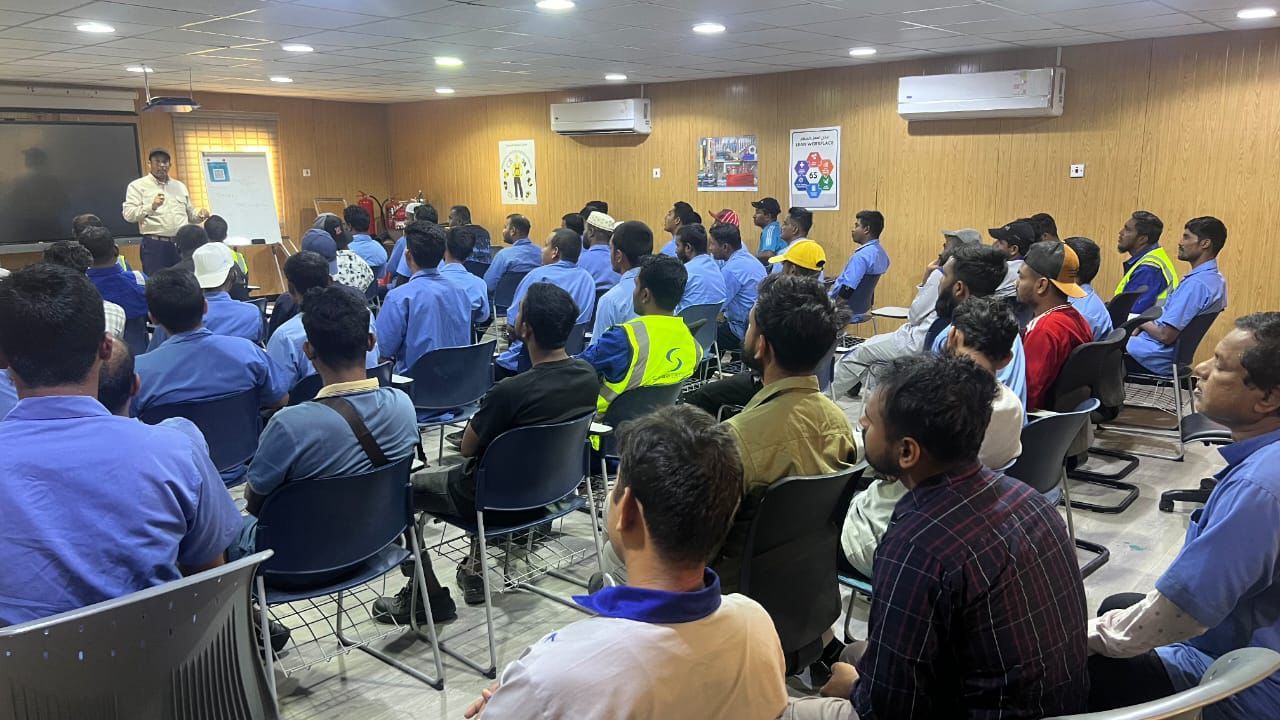
The most effective programs I’ve encountered focus on situations, not just regulations. They talk about near-misses. They explain why certain rules exist instead of just listing them. They invite questions—sometimes uncomfortable ones.
One electrician told me his biggest takeaway from training wasn’t a new regulation. It was learning how quickly complacency builds when you’ve “done this a thousand times.” That realization alone changed how he approached routine jobs.
And that’s the point. The goal isn’t memorization. It’s behavioral change.
Why This Matters Beyond High-Risk Jobs
Here’s something people don’t talk about enough: electrical safety isn’t only for electricians.
Office managers deal with overloaded outlets. Warehouse supervisors oversee machinery. Property owners manage aging electrical systems. Even IT teams work around live equipment more often than they realize.
Without proper understanding, people make decisions based on convenience instead of safety. Extension cords become permanent solutions. Circuit breakers get ignored. Maintenance gets postponed.
Training bridges that gap. It gives people the language and confidence to say, “This doesn’t look right,” and the authority to act on it.
The Cost of Ignoring It Is Higher Than You Think
When organizations hesitate to invest in safety education, it’s often framed as a budget issue. Training takes time. Time costs money.
But the cost of accidents—medical bills, downtime, legal exposure, reputational damage—dwarfs the investment needed to prevent them. And beyond finances, there’s the human cost. The kind that doesn’t show up on spreadsheets.
I once interviewed a small business owner who admitted skipping formal training for years. “We were lucky,” he said. “Until we weren’t.” An electrical fire shut down operations for months. Insurance covered some of it. Stress covered the rest.
He doesn’t skip training anymore.
What Good Electrical Safety Education Actually Covers
Strong programs don’t just focus on one narrow aspect. They tend to address:
- Hazard identification and risk assessment
- Safe isolation and lockout/tagout procedures
- Equipment-specific risks
- Emergency response basics
- Regulatory standards explained in plain language
More importantly, they’re updated regularly. Electrical systems evolve. So do best practices. Training that’s frozen in time quietly becomes dangerous.
When done right, learning feels less like instruction and more like shared responsibility.
Building a Culture, Not Just a Policy
This is the part that often gets overlooked.
You can mandate training. You can enforce rules. But unless safety becomes part of everyday conversation, risks creep back in.
Organizations that take electrical safety seriously talk about it openly. They encourage reporting issues without blame. They treat near-misses as learning opportunities, not failures.
Training supports that culture. It gives everyone—from entry-level staff to senior management—a shared foundation. A common understanding of why safety matters and how to uphold it.
And yes, that includes leadership actually showing up for training sessions. People notice.
A Quiet Advantage Most Businesses Don’t Realize
Here’s an unexpected side effect of investing in safety education: trust.
Employees feel valued when their well-being is prioritized. Clients feel reassured when they see professionalism and preparedness. Auditors notice when systems are in place and actively maintained.
I’ve seen companies quietly stand out in competitive bids simply because they could demonstrate strong safety practices backed by credible training. No flashy marketing. Just substance.
Sometimes doing the right thing also happens to be good business.
Final Thoughts (And a Small Reality Check)
We live in a world powered by electricity, yet many of us treat it like background noise. Until something goes wrong.
Electrical hazards don’t announce themselves. They wait. And when they surface, they don’t give second chances.
That’s why education matters. Not as a formality. Not as a checkbox. But as an ongoing commitment to awareness, responsibility, and care—for ourselves and for the people we work alongside.
If you’re in a position to influence training decisions, take a closer look. Ask questions. Push for quality. If you’re an individual worker, don’t underestimate the value of understanding the risks around you.
Because honestly? Safety isn’t about knowing everything. It’s about knowing enough to stop and think before acting.