I used to think fire safety was one of those topics you only paid attention to after something went wrong. You know the feeling — alarms, evacuation drills, laminated posters on office walls that everyone politely ignores. Honestly, I skimmed past most of it for years.
Then one afternoon, a small electrical fire broke out in a neighboring building where a friend worked. Nothing catastrophic, thankfully. No injuries. But the building was evacuated in minutes, firefighters showed up fast, and suddenly everyone was shaken. My friend later admitted something that stuck with me: “I realized I didn’t actually know what I was supposed to do. I just followed the crowd.”
That’s the moment when fire safety stopped feeling abstract to me.
Because here’s the thing — fire emergencies don’t announce themselves. They don’t care if you’re prepared, busy, distracted, or confident. They just happen. And when they do, the difference between chaos and control often comes down to one unglamorous but powerful tool: a proper Fire Safety Briefing.
You might not know this, but those briefings aren’t just corporate box-ticking exercises. When done right, they quietly save lives.
Why Fire Safety Still Gets Ignored (Even by Smart People)
Let’s be honest for a second. Most people don’t ignore fire safety because they’re reckless. They ignore it because it feels unlikely. Fires are one of those “that won’t happen to me” risks — right up there with floods, data breaches, or sudden power failures.
I’ve sat through briefings where half the room checked emails, a quarter whispered to each other, and the rest mentally planned lunch. I’ve also been guilty of that myself. The human brain is great at minimizing low-frequency risks.
But statistics paint a different picture. Workplace fires, residential fires, and public-space incidents still happen daily across the world. And when they do, confusion is often the biggest danger — not the fire itself.
That’s where preparation quietly earns its value.
What a Fire Safety Briefing Should Actually Do
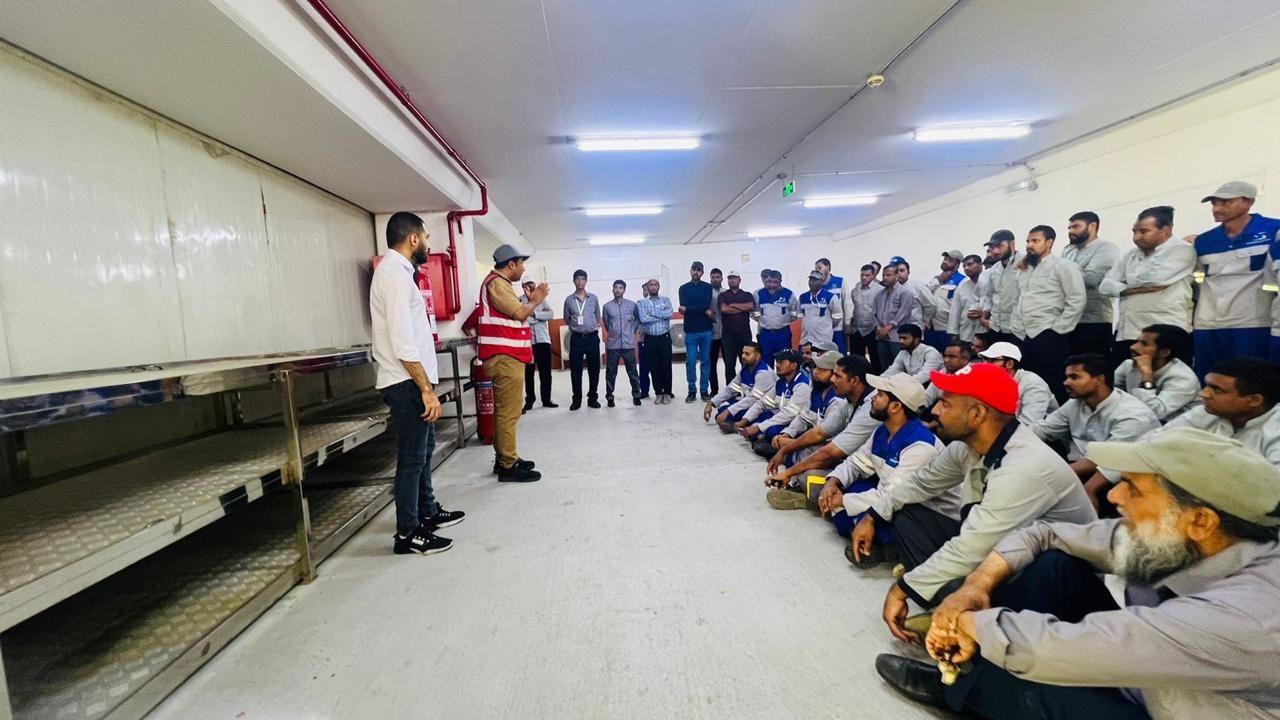
A good fire safety briefing isn’t a lecture. It’s not a slideshow full of generic icons and legal jargon. And it definitely isn’t someone reading off a checklist in a monotone voice.
At its best, a briefing answers very human questions:
- Where am I going if something goes wrong?
- Who’s in charge?
- What if the main exit is blocked?
- Do I grab my bag or leave it?
What if someone panics or freezes?
These aren’t dramatic questions — they’re practical ones. And they matter because panic thrives in uncertainty.
I was surprised to learn that the most effective briefings are often the simplest. Clear exits. Clear roles. Clear expectations. When people know what to do, they’re far less likely to panic — even under pressure.
It’s Not Just for Offices (And That’s a Big Misconception)
Another thing that doesn’t get talked about enough: fire safety briefings aren’t only for corporate offices or factories.
They’re just as relevant in:
- Hotels and hospitality spaces
- Schools and universities
- Construction sites
- Event venues
- Residential complexes
- Co-working spaces and shared offices
Basically, anywhere people gather.
I once attended a community event in a rented hall where the organizer casually pointed out emergency exits before things started. It took maybe 30 seconds. No drama. No alarmist tone. And yet, that brief moment made everyone noticeably more aware of the space they were in.
That’s the quiet power of preparedness.
When Fire Safety Becomes Personal
Here’s a small confession: I used to assume fire safety was mostly about regulations. Compliance. Insurance. Legal obligations. All very… bureaucratic.
Then I spoke with a facilities manager who’d been through a real evacuation years earlier. He told me something I won’t forget:
“In that moment, nobody cared about policy. People just wanted to know where to go and who to trust.”
That line reframed everything for me.
A fire safety briefing isn’t about satisfying an auditor. It’s about trust. It’s about giving people confidence that someone has thought ahead on their behalf.
And confidence, in emergencies, is priceless.
What Makes a Briefing Feel Human (Not Corporate)
Here’s where many organizations get it wrong. They treat fire safety like a script, not a conversation.
The best briefings I’ve seen do a few things differently:
They acknowledge reality
Instead of pretending everyone’s fully attentive, they keep it short, relevant, and respectful of people’s time.
They use plain language
No one needs dense technical terms during an emergency. Simple words stick.
They adapt to the space
A briefing in a warehouse shouldn’t sound like one in a hotel lobby.
They invite questions
Even one or two clarifications can prevent confusion later.
This is why mentioning a structured Fire Safety Briefing as part of broader workplace safety culture often makes sense in professional discussions — not as a sales pitch, but as a reminder that preparation is a shared responsibility.
When it’s framed that way, people actually listen.
Fire Safety in a World That’s Always Distracted
We live in a distracted age. Phones buzz. Meetings overlap. Attention spans are… generous, at best.
So yes, it’s harder than ever to get people to focus on something that might never happen.
But here’s the irony: the more distracted we are, the more important clear guidance becomes. Emergencies cut through noise instantly. In those moments, muscle memory and prior awareness take over.
That’s why repetition matters. That’s why brief refreshers matter. And that’s why fire safety shouldn’t be treated as a one-time announcement buried in onboarding paperwork.
Preparedness fades if it’s not reinforced.
Small Details That Make a Big Difference
One thing I’ve noticed while researching and observing different safety practices: it’s often the smallest details that stick.
Someone physically pointing to an exit instead of just mentioning it.
A quick reminder not to use elevators.
A calm explanation of what the alarm actually sounds like.
Those moments linger in memory far longer than a PDF attachment ever will.
Honestly, I think that’s why well-delivered briefings feel less like instructions and more like care. They signal, “We’ve thought about this, and we care about you getting out safely.”
That message lands, whether people consciously realize it or not.Why Fire Safety Is Quietly Becoming a Trust Signal
In today’s world, organizations are judged on more than their products or services. People pay attention to how responsibly they operate.
Clear safety protocols — including fire preparedness — subtly communicate professionalism. They show foresight. They show respect for human life. And yes, they reduce risk, but they also build credibility.
For employees, guests, or residents, that matters more than many leaders realize.
I’ve seen people choose venues, workplaces, and partners partly because they felt looked after. Safety plays a role in that feeling.
A Final Thought (The One That Stays With Me)
Fire safety isn’t exciting. It’s not flashy. It doesn’t trend on social media.
But when things go wrong — and sometimes they do — it becomes the most important thing in the room.
A solid fire safety briefing doesn’t guarantee nothing will happen. What it does guarantee is that if something does happen, people won’t be left guessing. They won’t freeze. They won’t follow the loudest voice blindly.
They’ll have a plan.
And honestly? In a worldfull of uncertainty, that’s one of the most human gifts you can give the people around you — the confidence to move, calmly and safely, when it matters most.