I used to think fire safety was one of those things everyone just knew. You know—stop, drop, and roll. Don’t leave candles unattended. Call 911. Basic stuff. Honestly, I never gave it much thought beyond that. Fire was something that happened to other people, usually on the evening news, never something that would intersect with my everyday life.
That changed a few years ago when a small electrical fire broke out in a neighboring office building where a friend worked. No dramatic explosions. No movie-style flames climbing the walls. Just smoke, confusion, and a lot of very smart people who suddenly had no idea what to do next. They evacuated safely, thankfully, but afterward my friend said something that stuck with me: “I realized I wouldn’t know how to help anyone if things were worse.”
That sentence lingered. And the more I looked into it, the more I realized how little most of us truly understand about fire behavior, emergency response, or even our own reactions under pressure. That’s when I started digging into the world of firefighting training—and what I found surprised me.
Fire Isn’t Predictable, and Neither Are We
Here’s something you might not know: fires don’t behave the way we expect them to. They don’t politely spread in straight lines. They don’t give you time to “figure it out.” They move fast, react to airflow, consume materials differently, and create toxic environments long before flames become visible.
But the bigger wildcard? People.
Under stress, even capable adults freeze. They second-guess. They run toward danger instead of away from it. I’ve spoken with emergency responders who say the hardest part of their job isn’t the fire itself—it’s managing human panic.
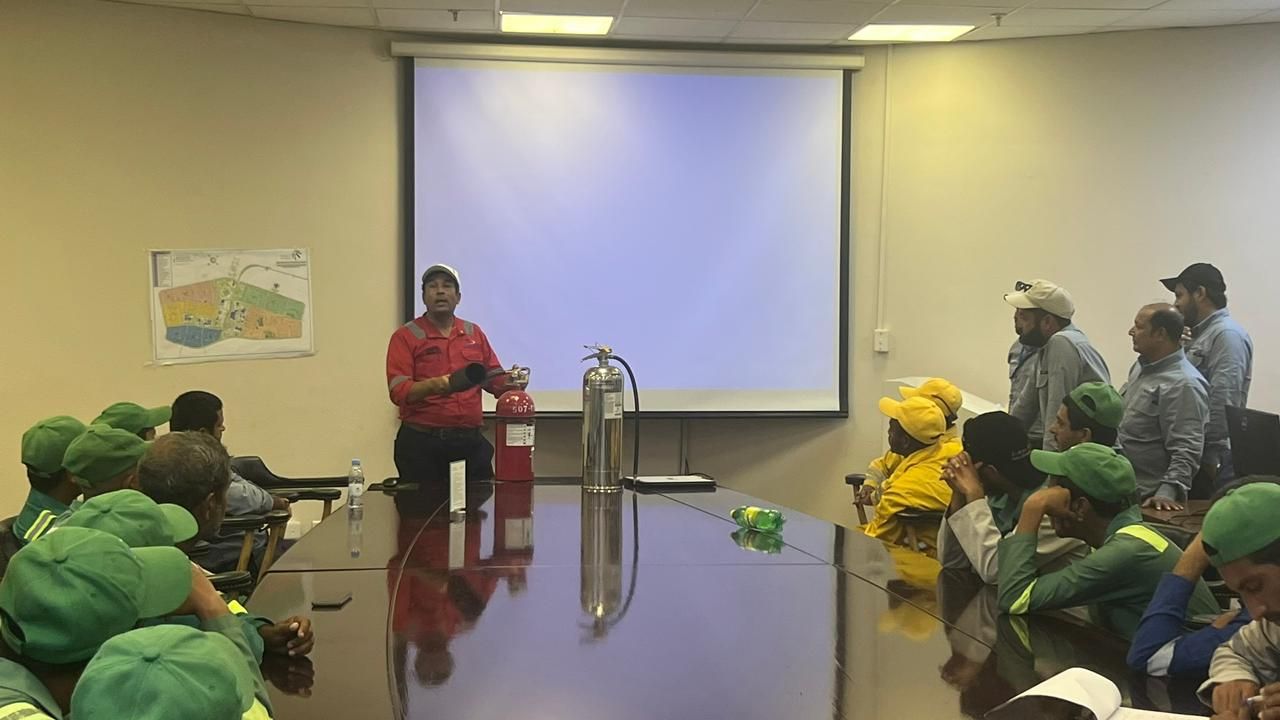
That’s why proper Firefighting Training isn’t just about hoses, ladders, and heavy gear. It’s about conditioning the mind to respond when instincts fail. Training creates muscle memory, situational awareness, and calm decision-making when everything else is chaos.
And no, this isn’t only for professional firefighters.
Who Actually Needs Firefighting Training? (Hint: More People Than You Think)
We tend to associate firefighting education exclusively with fire departments. Fair enough—it’s their job, after all. But modern training programs are far broader than that.
Industrial workers, facility managers, warehouse teams, school staff, hospital employees, and even corporate office leaders increasingly undergo structured fire response training. Why? Because waiting for emergency services isn’t always an option. The first 60 seconds matter. Sometimes, the first 30.
I spoke with a safety coordinator at a manufacturing plant who told me their biggest incident wasn’t a massive blaze—it was a small fire that escalated because no one knew how to isolate it quickly. After investing in hands-on Firefighting Training, they haven’t had a serious incident since. Not because fires stopped happening—but because people knew how to react.
There’s a quiet confidence that comes with training. It doesn’t make people reckless. It makes them prepared.
What Firefighting Training Actually Teaches (Beyond the Obvious)
If you’ve never looked into it, you might assume firefighting training is all brute force and physical endurance. There is a physical component, sure, but the real value lies elsewhere.
Most comprehensive programs cover things like:
- Fire classification (because not all fires should be fought the same way)
- Proper extinguisher use (which, shockingly, many people still get wrong)
- Smoke behavior and visibility issues
- Evacuation coordination and leadership under pressure
- Personal safety and situational assessment
- Communication during emergencies
Some programs even simulate low-visibility environments or introduce time pressure to mimic real-world conditions. Participants walk away not just informed, but changed. More alert. More aware.
One participant described it to me as “the difference between knowing about fire and understanding how it thinks.” That stuck with me.
The Psychological Shift No One Talks About
Here’s the part that doesn’t show up in brochures.
People who complete quality Firefighting Training often describe a subtle but lasting shift in how they see risk. They notice blocked exits. They question overloaded power strips. They think twice about fire doors being propped open “just for a minute.”
It’s not paranoia—it’s perspective.
You stop assuming emergencies are rare and start recognizing that preparedness is simply part of being responsible. And that mindset tends to spill over into other areas of life. Road safety. Workplace protocols. Even how you look out for others.
Honestly, I didn’t expect that. I thought training was about skills. Turns out, it’s also about awareness.
Why Businesses Are Finally Taking This Seriously
Let’s be blunt for a moment. Many organizations didn’t prioritize fire training until they had to. Insurance audits, regulatory pressure, and very expensive lessons forced their hand.
But that’s changing.
Forward-thinking companies now treat Firefighting Training as part of their culture, not a checkbox. They understand that safety isn’t a policy—it’s a practiced behavior. Employees who feel protected tend to be more confident, more loyal, and more present at work.
There’s also the reputational factor. When something goes wrong—and eventually, something always does—how an organization responds matters. Prepared teams minimize damage, protect lives, and demonstrate leadership when it counts.
That’s not just good ethics. It’s good business.
Training Isn’t About Playing Hero
One misconception I hear a lot is that firefighting training encourages people to take unnecessary risks. That couldn’t be further from the truth.
Good training emphasizes limits. It teaches when not to intervene. When to evacuate. When to leave it to professionals. Knowing your role is just as important as knowing your tools.
Firefighters themselves will tell you this: the goal isn’t to fight every fire. The goal is to survive and prevent escalation.
That’s a lesson worth learning.
The Quiet Value of Being Ready
We live in a world obsessed with optimization. Faster phones. Smarter homes. Instant everything. But preparedness? That’s slower. Less flashy. Easy to postpone.
Until you need it.
Fire doesn’t care how busy you are. It doesn’t care about deadlines or assumptions. It shows up unannounced and demands immediate clarity.
That’s why I’ve come to see Firefighting Training not as an extreme measure, but as a grounded one. It’s not about fear. It’s about respect—for risk, for life, and for the reality that emergencies don’t ask permission.
A Final Thought, From One Observer to Another
I’m not a firefighter. I don’t run into burning buildings for a living. But after researching, interviewing, and watching how people change through training, I’ve gained a deep appreciation for what preparedness really means.
It’s not dramatic. It’s not heroic. It’s practical, calm, and deeply human.
And maybe that’s the point.
We can’t control every emergency. But we can choose not to be helpless when one arrives. Sometimes, the most responsible thing you can do—for yourself and for others—is learn how to act before you ever need to.