I’ll be honest — for a long time, I thought of Hajj only in spiritual terms.
The white garments.
The prayers echoing through Makkah.
That overwhelming image of millions of people moving together with purpose.
What I didn’t think about, at least not until recently, was what happens when something goes wrong.
Because when you bring together more than two million people in one place — from different countries, speaking different languages, many of them elderly — the reality is this: emergencies aren’t hypothetical. They’re inevitable.
And that’s where Emergency Response Training At Hajj quietly becomes one of the most important elements of the entire pilgrimage.
Not the most visible. Not the most talked about. But absolutely essential.
Hajj Is a Spiritual Journey — But It’s Also a Logistical Giant
People sometimes forget that Hajj isn’t just a religious event. It’s one of the largest recurring human gatherings on Earth.
Think about that for a second.
Millions of pilgrims arriving within a narrow time window.
Extreme heat.
Long walking distances.
Physical exhaustion.
Pre-existing health conditions.
Even under perfect conditions, the human body has limits. Add crowd density, unfamiliar environments, and emotional intensity, and you’ve got a situation where medical and safety readiness isn’t optional — it’s survival-level planning.
I was surprised to learn how much planning actually goes into emergency preparedness at Hajj. We’re not talking about basic first aid kits and a few ambulances parked nearby. We’re talking about a multi-layered response system that starts long before the first pilgrim arrives.
What “Emergency” Really Means During Hajj
When people hear “emergency response,” they often imagine dramatic disasters. Stampedes. Fires. Structural failures.
Those can happen — history shows us that — but the reality is more nuanced.
Most emergencies during Hajj are quieter, more personal, and far more frequent.
Heat exhaustion.
Dehydration.
Cardiac events.
Diabetic complications.
Falls in crowded areas.
Respiratory distress.
Now imagine responding to those situations when the patient doesn’t speak your language, doesn’t know where they are, and may be separated from their group.
That’s why trained response teams matter so much.
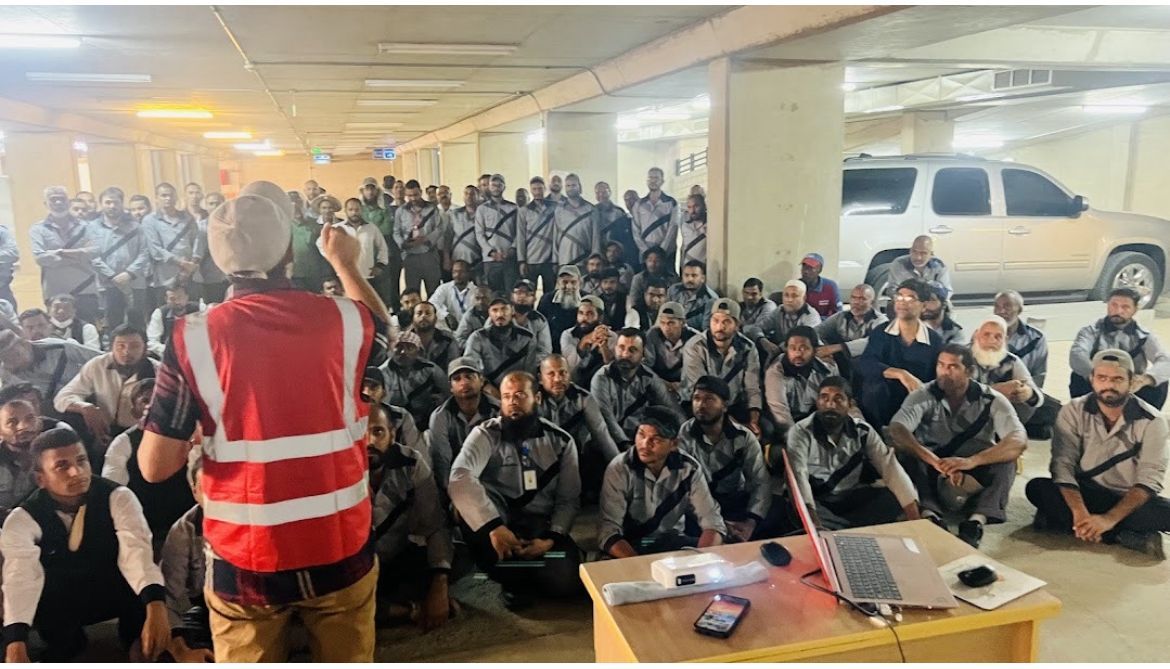
Behind the Scenes: Training That Goes Beyond Textbooks
What impressed me most when I started digging into this topic was how specialized the training actually is.
Emergency response teams at Hajj aren’t just taught what to do — they’re trained for where they’re doing it.
They practice:
- Crowd-navigation medical response
- Rapid triage in high-density zones
- Heat-related illness management specific to desert climates
- Cross-cultural communication under stress
- Coordination with security, transport, and religious authorities
And perhaps most importantly, they’re trained to stay calm when everything around them is chaos.
That’s not something you learn from a manual. That comes from simulation, repetition, and experience.
This is where structured programs like Emergency Response Training At Hajj become invaluable — not just for local responders, but for international medical volunteers, safety officers, and logistics coordinators who rotate in each year.
Why Training Needs to Be Hajj-Specific
You might assume that a paramedic trained in London or Kuala Lumpur could just “adapt” on the ground in Makkah.
Honestly? That assumption doesn’t hold up.
Hajj presents unique variables that don’t exist in normal emergency settings:
- Pilgrims moving in ritual-specific patterns
- Fixed schedules that can’t simply be paused
- Religious sensitivities that affect physical interaction
- Massive pedestrian-only zones
- Environmental stressors like heat and fatigue
Emergency response training tailored specifically for Hajj prepares responders to make decisions that respect both human life and religious practice — a balance that’s not always easy to strike.
And when seconds matter, hesitation can cost lives.
The Human Element: Responders Under Pressure
One thing that often gets overlooked is the emotional weight carried by emergency responders themselves.
Imagine treating someone who has traveled their entire life for this pilgrimage — someone who may believe this journey is their final spiritual act.
That’s not just medical pressure. That’s emotional responsibility.
Training programs increasingly acknowledge this human side of response work. Mental resilience, emotional regulation, and ethical decision-making are now part of modern emergency preparedness at Hajj.
And that’s a good thing.
Because burnout, panic, or emotional overload can be just as dangerous as lack of equipment.
Technology Helps — But Training Leads
Yes, technology plays a role.
There are monitoring systems, heat sensors, crowd analytics, mobile medical units, and rapid communication platforms. All impressive. All useful.
But technology doesn’t replace human judgment.
A well-trained responder can spot distress in a pilgrim before a sensor triggers an alert. They can read body language, understand cultural cues, and make intuitive calls that no algorithm can fully replicate.
That’s why investment in training continues to be prioritized year after year — and why programs centered on Emergency Response Training At Hajj keep evolving instead of staying static.
Why This Matters Beyond Hajj
Here’s something I didn’t expect when researching this topic.
The lessons learned from Hajj emergency preparedness are now influencing how other mass gatherings are managed worldwide — from international sporting events to large religious festivals.
Hajj, in many ways, functions as a living laboratory for crowd safety and emergency response.
What works there often works everywhere else.
That alone makes the emphasis on specialized training not just admirable, but globally relevant.
A Quiet Success Story
When Hajj goes smoothly, you rarely hear about emergency response efforts.
That’s intentional.
Success, in this case, means emergencies handled quickly, quietly, and with dignity. It means someone collapsing from heat is treated and reunited with their group. It means a cardiac event is stabilized before panic spreads. It means families don’t even realize how close things came to going wrong.
In emergency management, silence often equals success.
And behind that silence are thousands of trained professionals who prepared long before the crowds arrived.
Final Thoughts: Safety Is a Form of Respect
I’ll end with this thought, because it stuck with me.
Providing strong emergency response systems at Hajj isn’t just about risk management. It’s a form of respect — for the pilgrims, for the pilgrimage, and for the sanctity of human life.
Every training session, every simulation, every responder standing ready in the heat is part of an unspoken promise: you are safe here.
And when millions gather with faith in their hearts, that promise matters more than ever.
Sometimes the most powerful acts of care happen quietly, in the background — long before anyone needs help.