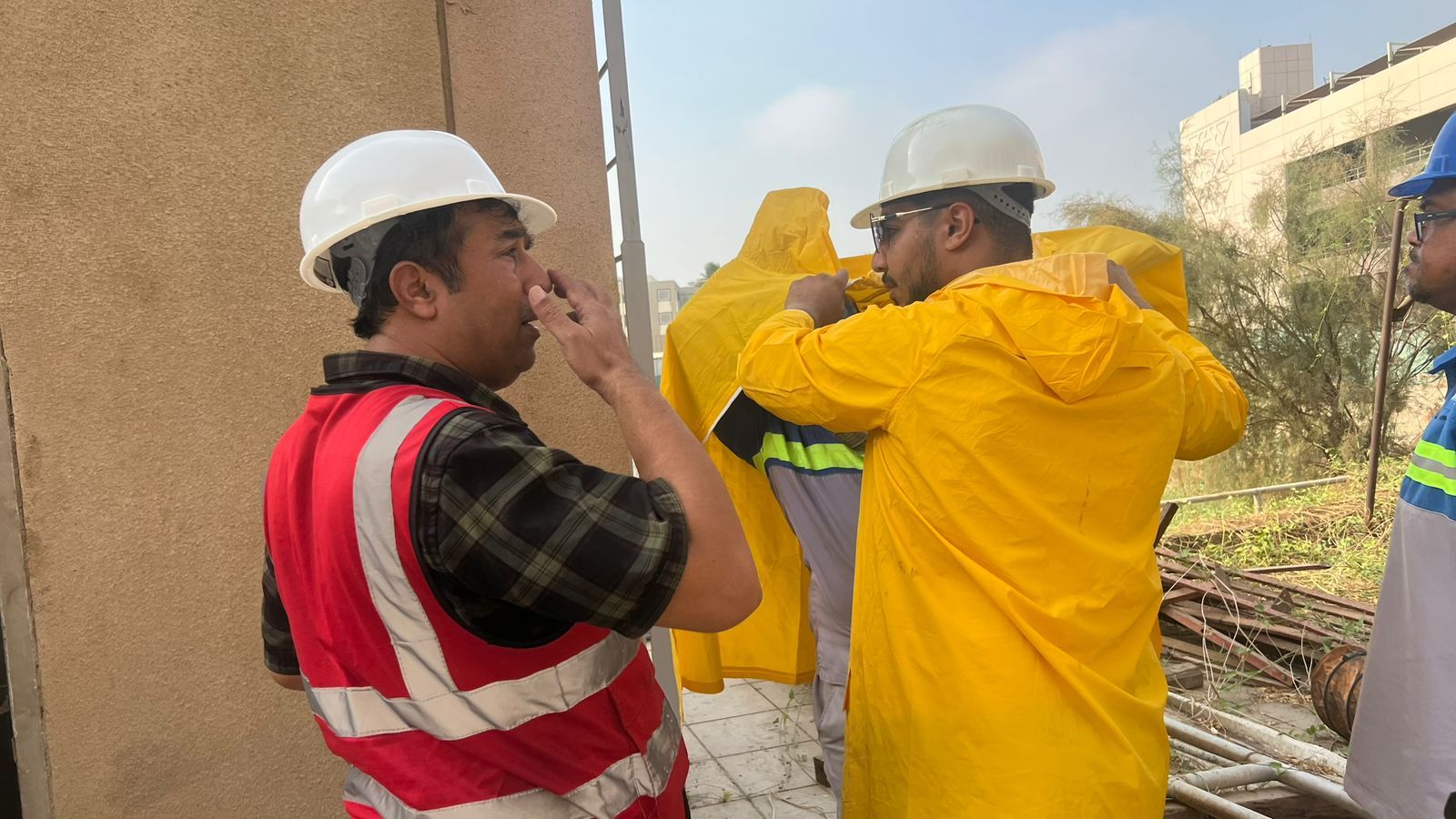
Hydrogen sulfide is weird like that. At low levels, it smells like rotten eggs. Gross, but noticeable. The problem is that as concentrations increase, your sense of smell shuts down. You don’t smell danger anymore. You just… stop smelling anything.
That detail stuck with me. The idea that your body can’t warn you anymore is unsettling.
I’ve talked to workers who assumed they’d “know” if something was wrong. That’s a risky assumption. H2S doesn’t care about confidence or experience. It doesn’t care how long you’ve been on the job. Without proper testing and understanding, you’re guessing—and guessing isn’t a safety plan.
This is where structured training actually earns its keep.
What Proper Training really teaches (and what it doesn’t)
A lot of people hear “training” and picture a dull classroom, a slideshow from 2009, and someone reading regulations out loud. And yes, bad training does exist. But good gas testing training is different.
Real H2S gas testing training goes beyond definitions and limits. It teaches you how gas behaves, how it moves, and why it shows up where it does. You learn why confined spaces are so dangerous, why ventilation matters, and why “just stepping in for a second” is how accidents happen.
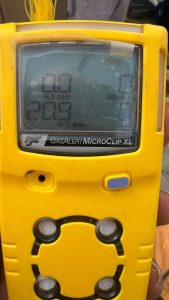
More importantly, you learn how to use detection equipment properly. Not just how to turn it on, but how to bump test it, calibrate it, and interpret readings under real conditions. That’s the part many people gloss over.
I’ve seen folks carry gas detectors like lucky charms—clipped on, never checked, battery half-dead. Training changes that mindset. It makes the device a tool instead of a decoration.
Confidence on site comes from knowing, not guessing
One thing I didn’t expect was how much confidence proper training gives people. Not the loud, chest-out kind. The quiet kind.
When you understand what you’re dealing with, you stop panicking and start making decisions. You know when to evacuate, when to ventilate, and when to call for help. You don’t freeze because you’ve already walked through the scenario in your head.
I’ve heard supervisors say that after their teams completed H2S training, communication improved across the board. People spoke up sooner. Near-misses got reported instead of ignored. That kind of cultural shift doesn’t happen by accident.
It happens when people feel equipped instead of exposed.
Why shortcuts don’t work with invisible hazards
Let’s be honest. On many job sites, there’s pressure to move fast. Downtime costs money. Training takes time. And sometimes safety measures get treated like obstacles instead of essentials.
But invisible hazards don’t play by production schedules.
H2S incidents often happen during routine tasks—maintenance, inspections, cleaning. Jobs people have done a hundred times. That’s what makes them dangerous. Familiarity breeds comfort, and comfort breeds shortcuts.
Proper gas testing training disrupts that pattern. It reminds people that routine doesn’t mean safe. It puts structure around risk assessment so safety doesn’t depend on mood or memory.
Technology helps, but training makes it effective
Gas detection technology has come a long way. Portable monitors are more accurate, more durable, and easier to use than they were years ago. But technology alone isn’t enough.
I’ve seen monitors worn incorrectly, alarms ignored, and readings misunderstood. None of that is a technology problem. It’s a knowledge gap.
Training bridges that gap. It teaches not just the “how,” but the “why.” Why alarms are set at certain thresholds. Why calibration intervals matter. Why atmospheric testing order isn’t arbitrary.
Once people understand the reasoning, compliance stops feeling forced. It just makes sense.
A natural mention, because it actually fits here
When people ask me where to start, I usually point them toward providers that focus specifically on practical, scenario-based instruction. One resource that comes up often is H2s Gas Testing Training, mainly because it’s structured around real-world application rather than theory alone.
It’s not about ticking off a requirement. It’s about making sure the person holding the detector actually knows what they’re looking at—and what to do next.
That distinction matters more than any certificate on a wall.
Training isn’t just for new workers
Here’s something that doesn’t get said enough: experience doesn’t replace training. In some cases, it actually increases risk.
Veteran workers sometimes rely on instinct instead of procedure. They’ve “been fine before,” so they assume they’ll be fine again. That mindset is understandable, but dangerous.
Refresher training resets those assumptions. It updates knowledge, reinforces best practices, and introduces changes in standards or equipment. Even small updates can make a difference.
I’ve watched seasoned professionals walk out of refresher courses saying, “I didn’t know that,” more times than I can count.
The Ripple Effect of Taking Safety Seriously
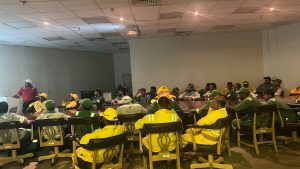
Something interesting happens when a workplace invests in meaningful safety training. It spills over into other areas.
People become more aware. They ask better questions. They watch out for each other. Safety stops being a rulebook and starts being a shared responsibility.
And honestly, that’s when workplaces feel different. Calmer. More professional. Less reactive.
It’s hard to measure that on a spreadsheet, but you can feel it on site.
A Human Ending, because this Topic Deserves One
Well, here’s the thing. Most people never expect to need the training they receive. They hope it stays theoretical. And that’s fair. No one wants to face a real gas exposure scenario.
But if that moment ever comes, you don’t rise to the occasion. You fall back on what you know.
H2S doesn’t give second chances. It doesn’t care if it’s your first week or your twentieth year. What protects people isn’t luck—it’s preparation.
So if you’re reading this and thinking, “Yeah, we probably should take that more seriously,” trust that instinct. Training isn’t about fear. It’s about respect. Respect for the risks, the work, and the people doing it.